Contemporary architecture in dialogue with the past
Location: Diest
On a site steeped in history—once home to the Cellenbroeders monastery—an elegant residential ensemble now bridges past and future. Once marked by abandonment and fragmentation, the area has been reborn through a thoughtful architectural gesture.
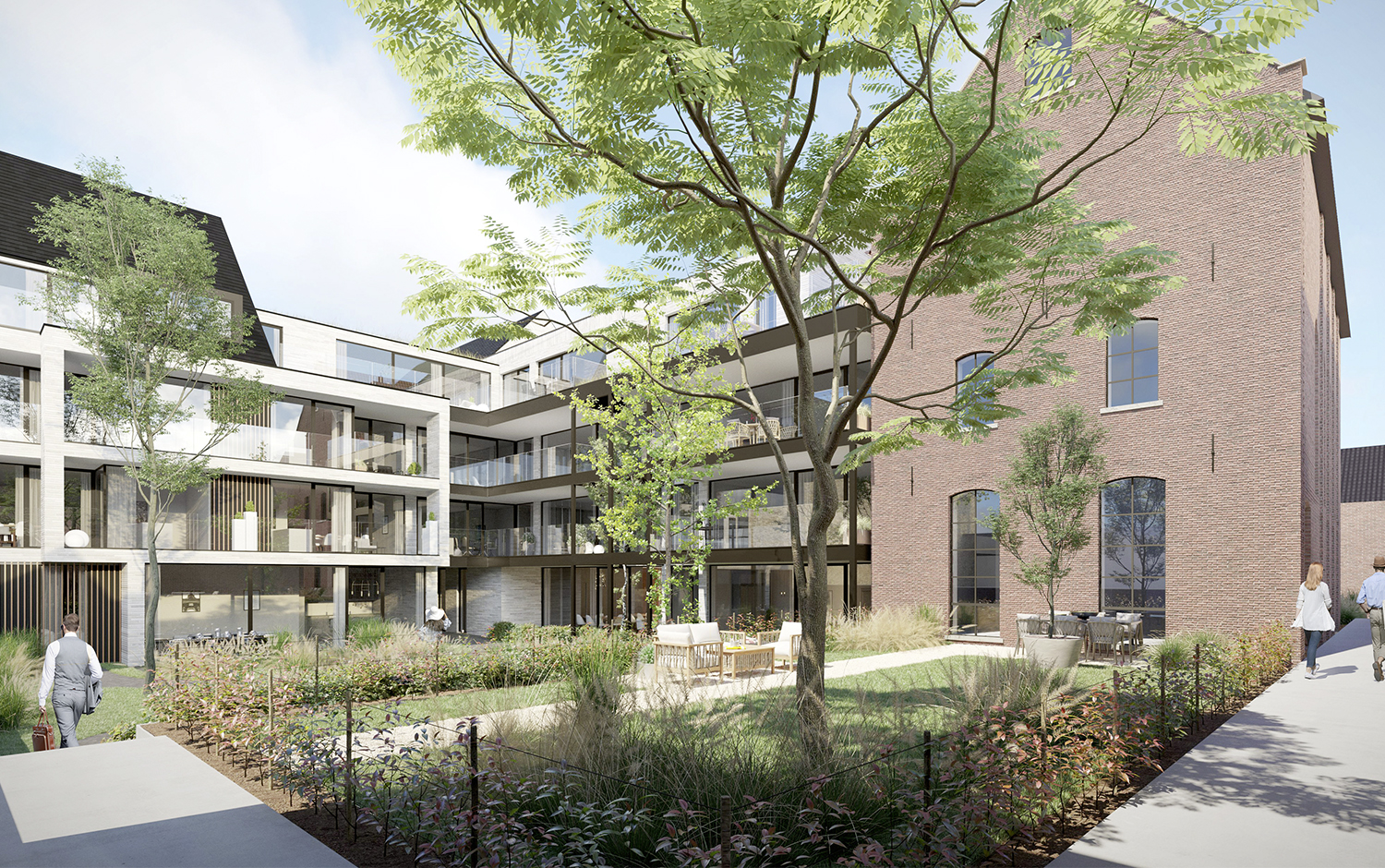
The housing draws from the city’s memory while projecting forward: volumes echo 19th-century warehouses, robust rhythmic brickwork and lofty aluminum window frames evoke a familiar yet fresh palate. The arrangement unfolds around two thoughtfully placed blocks: a street-facing unit of compact apartments and a perpendicular volume of more generous living spaces. Between them lies a shared inner courtyard—reminiscent of a cloister garden—opened to the public through a passage framing the historic Cellenbroeders’ chapel.
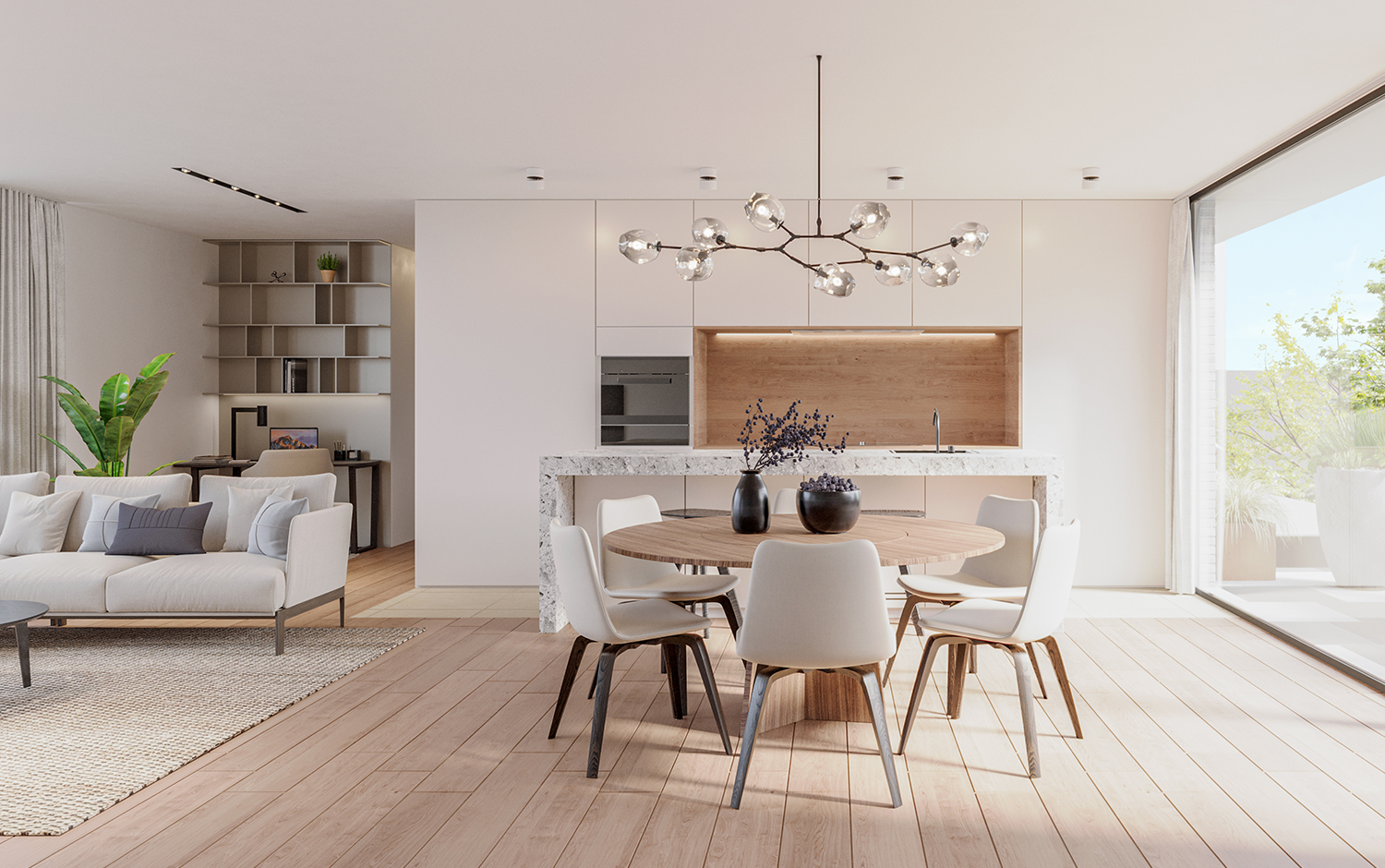
This vista forms both a physical and symbolic link to the past, anchoring the project within the place’s narrative. Materiality—warm red brick as homage, crisp white façade as gesture forward—balances tradition and innovation. Inside, quality of living prevails: spacious terraces, lofty, open interiors awash in daylight. Shared green spaces and underground bike storage foster community. Cellenbroeders isn’t about nostalgia—it’s heritage retranslated, a new chapter in Diest’s urban story.